
Hardware
Use the interface you already own.
Works with most USB and Art-Net hardware. No lock-in.
Tested and confirmed working
personally tested by usThis is not a compatibility whitelist - plenty of other devices work. These are the ones we have had on the bench ourselves.
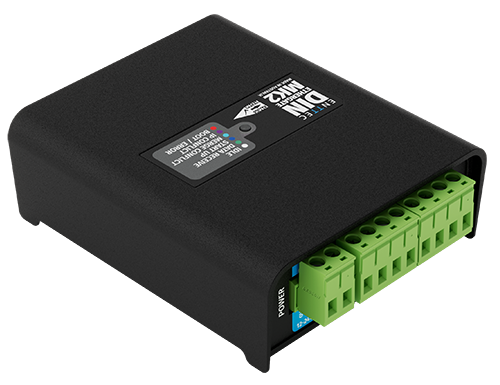
Enttec DIN Ethergate Mk2
Art-Net and sACN node converting ethernet to up to two DMX universes.
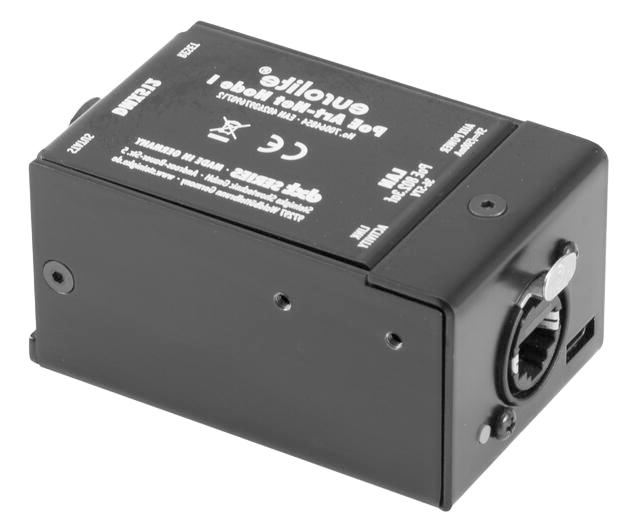
EUROLITE DXT PoE Art-Net Node I
Art-Net interface for 512 DMX channels, powered over ethernet.
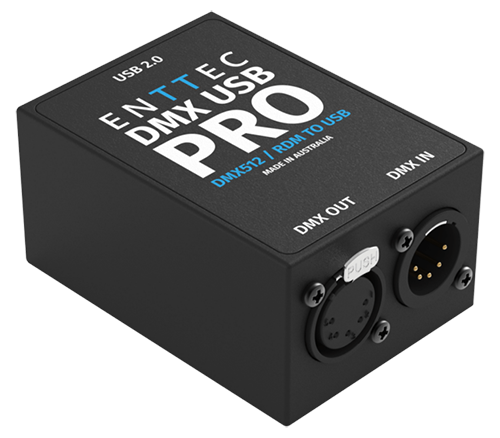
Enttec DMX USB Pro
USB-to-DMX interface with a built-in processor for a stable signal.
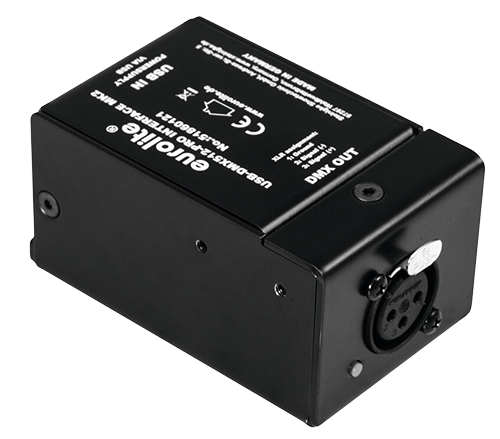
EUROLITE USB-DMX PRO MK2
USB-to-DMX interface with a built-in processor for a stable signal.
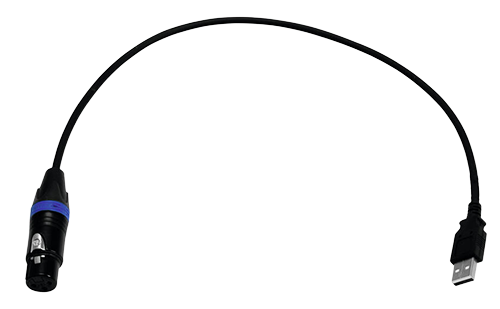
EUROLITE USB-DMX PRO
USB-to-DMX cable with a built-in processor for a stable signal.
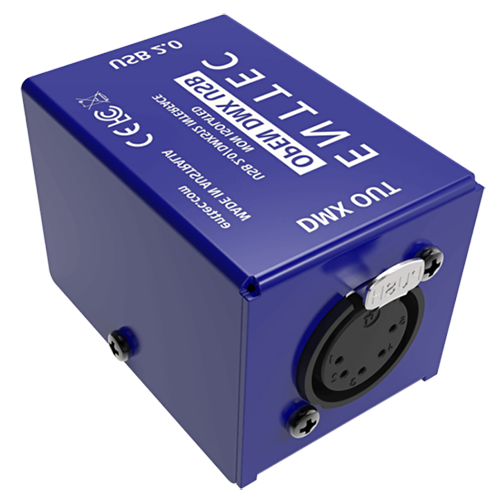
Enttec Open DMX USB
Low-cost USB-to-DMX interface with no built-in processor.
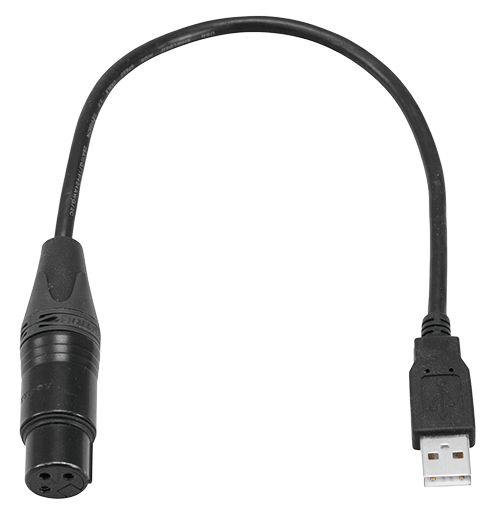
EUROLITE USB-DMX
Low-cost USB-to-DMX cable with no built-in processor.
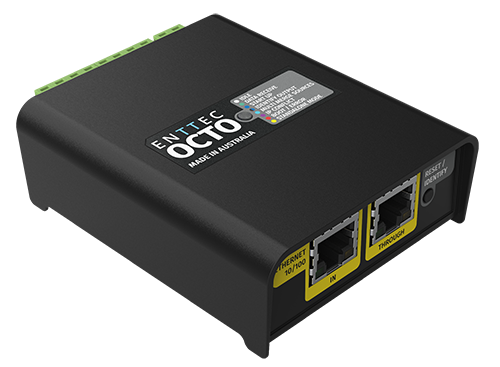
Enttec OCTO MK2
Art-Net and sACN to SPI pixel controller, two outputs, up to eight universes.
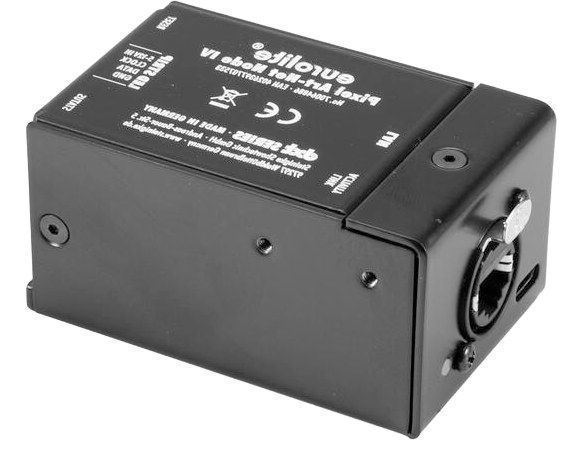
EUROLITE DXT Pixel Art-Net Node IV
Art-Net interface for up to 50,000 digital LED channels.
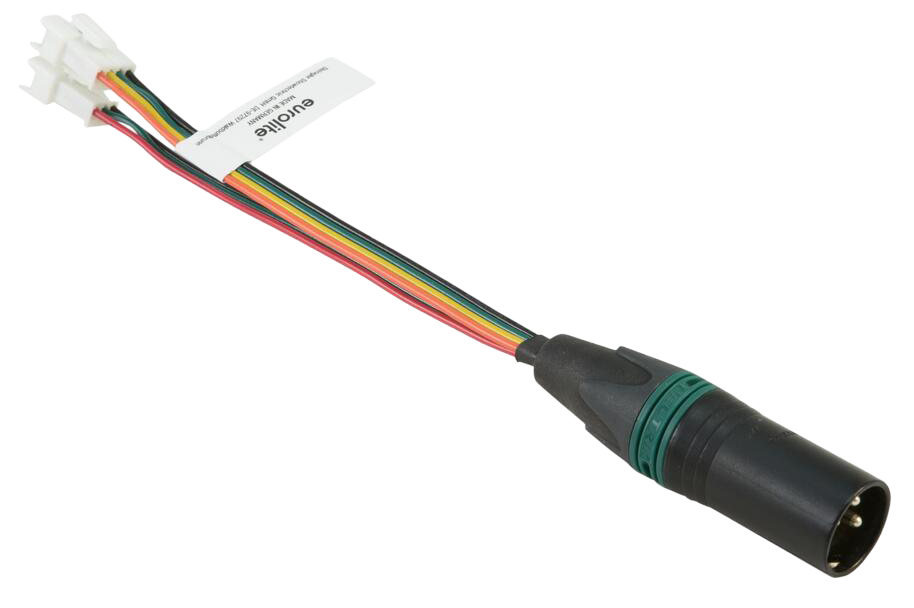
EUROLITE DXT DMX Pixel Converter PRO
Compact DMX converter for LED pixel strips.
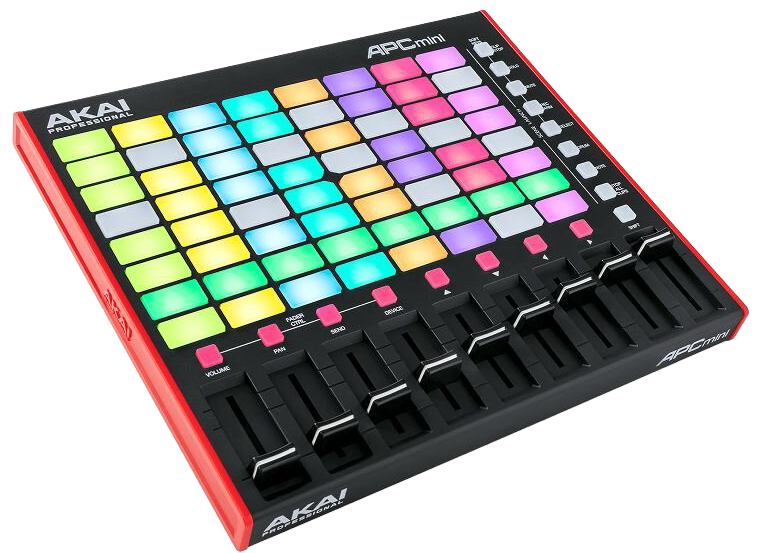
Akai APC Mini MK2
Compact USB MIDI controller with 64 RGB pads and 9 faders, mapped to palettes and scene faders.
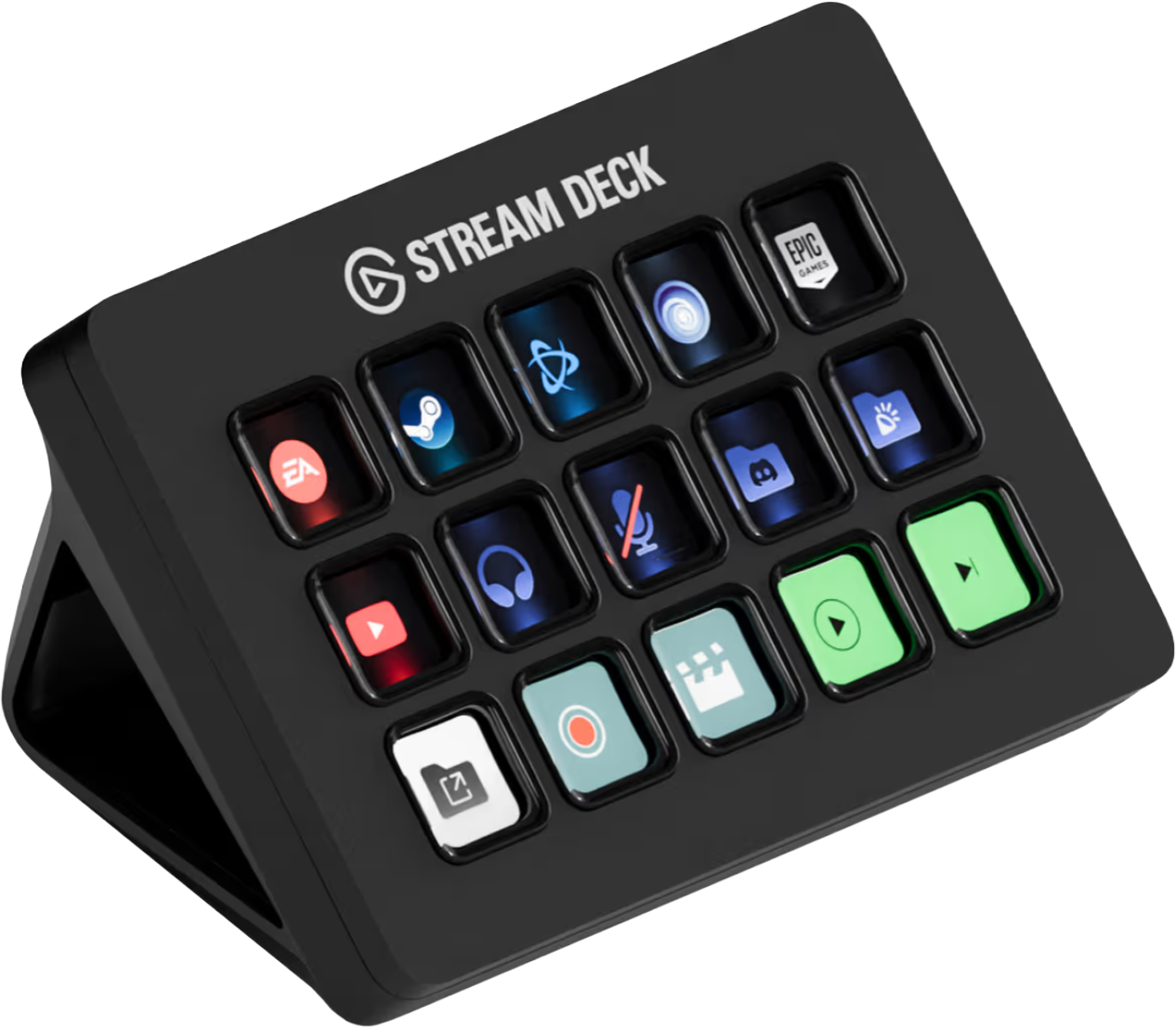
Elgato Stream Deck
Sends UDP messages that trigger palettes in SDC.
For the curious - you never have to think about this
Working in the app never interrupts the output
SDC runs as two programs: the window you work in, and a separate engine that does nothing but send DMX. They talk over a local websocket, and both start when you open SDC - there is nothing to configure and nothing extra to install.
Where you work
Patching, palettes, effects, the timeline. Opening a big fixture library or building an effect happens here.
Where the DMX comes from
A separate program with one job: hold the frame rate to your USB interface or Art-Net node. Heavy work in the interface cannot stall it.
On a single-process controller, heavy work in the interface can interrupt the stream and the rig stutters. Splitting the two is why that does not happen here.
Not sure which to buy?
An interface with its own processor builds the DMX frames itself, so the timing does not depend on what Windows is doing. The cheap processor-less ones leave that to the PC, which is usually fine, but a loaded machine can make the output jitter.